
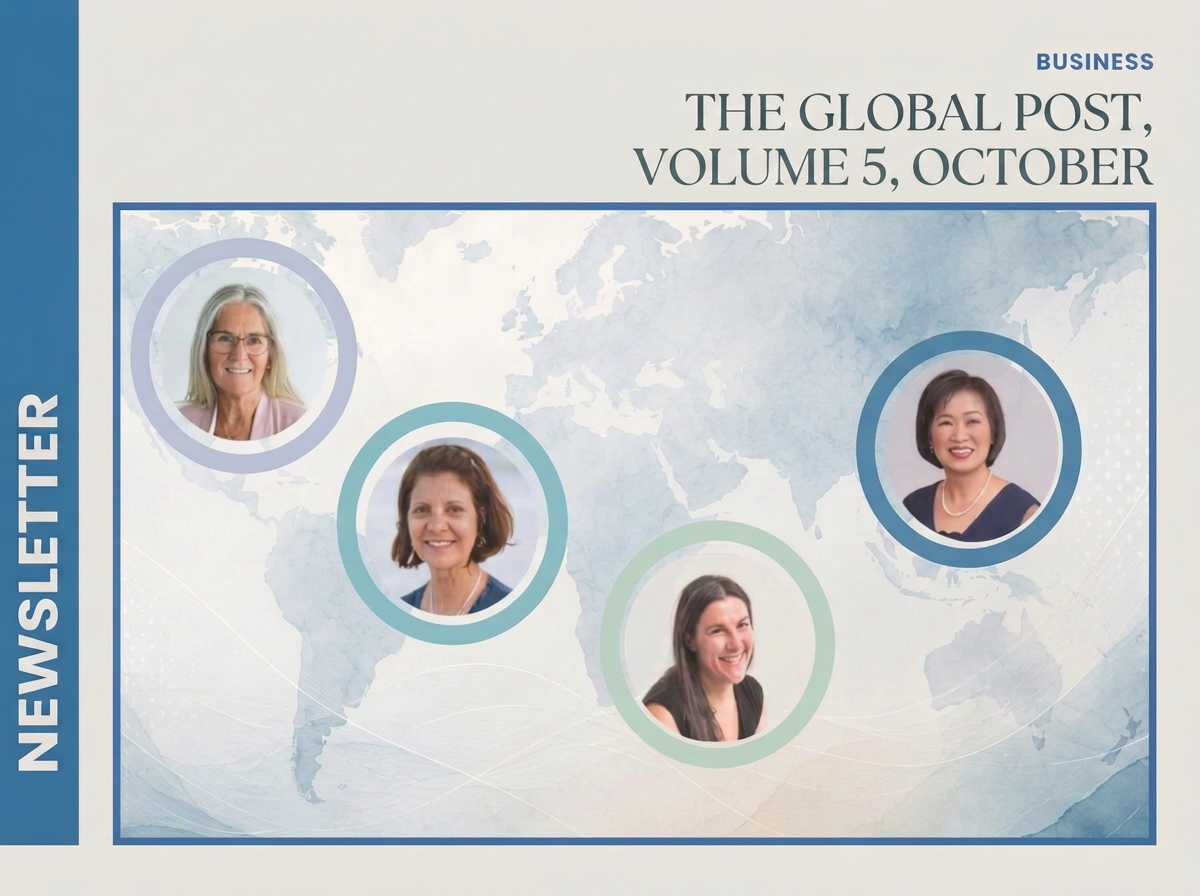
At Global Positive Links, each month we pause to reflect on the themes that shape conscious leadership. We went deeper with Trust in September and moving on to Courage in October.
Courage in leadership isn’t loud or impulsive — it’s steady, principled, and deeply human. It’s the willingness to make decisions guided by values rather than fear, to speak truth even when silence feels safer, and to stand firm while still inviting dialogue. Courage shows up when leaders hold space for uncertainty yet move forward with conviction. It’s not about being fearless; it’s about being faithful to what matters most.
“Courage is grace under pressure.” – Ernest Hemingway, it is something that we need to do every day.
This newsletter gathers our September reflections into one page, reminding us that leadership is not only about strategy, but about the everyday choices that inspire others to grow.
Inside The Global Post this Month
-
Authentic Leadership Series
-
-
The Courage to Lead Without All the Answers by Sally
-
Importance of Trust and Courage in Leadership
-
Courage in a busy world
-
Come and share your leadership insights with us through an interview.
-
Keep up to date on where we are and what we are doing.
-
Answer to the Quiz
What’s Coming Next at Global Positive Links
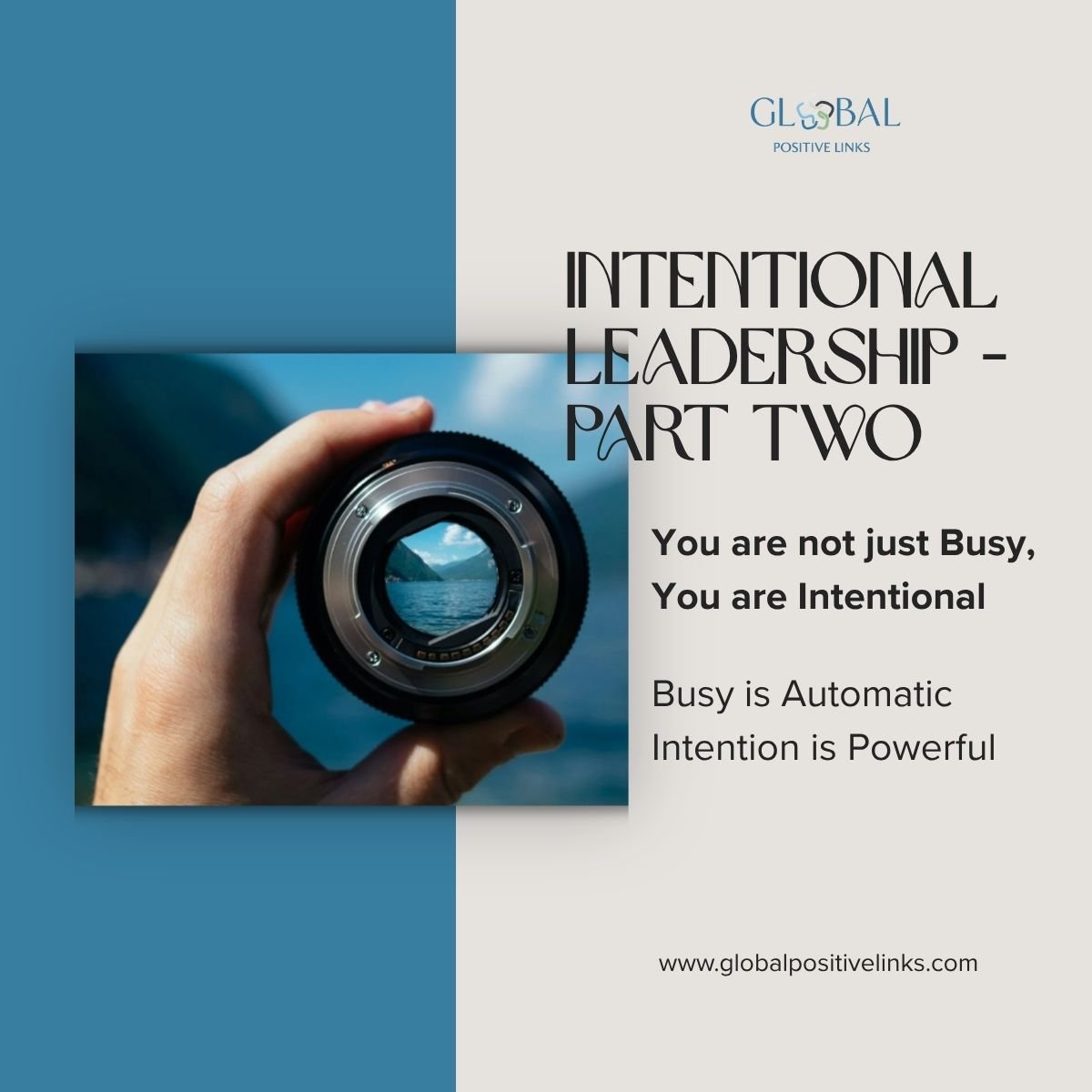
Next in the Authentic Leadership Series, we shift from self‑leadership to intentional leadership. The practice of choosing direction rather than being carried by pace. On October 6, we’ll explore how leaders create clarity and focus in environments that reward constant motion.
If this first session has stirred something in you, a desire to slow down, to lead with more clarity, or simply to reconnect with yourself you are not alone. Many leaders are feeling the pace of the year and sensing the need for a steadier, more intentional way forward.
We would love you to join us as we begin this journey together.

Remaining Relevant in The 21st Century
The Courage to Lead Without All the Answers
On saying the hard thing, admitting the unknown, and letting people see you sweat.
A few years ago I watched a company town hall go sideways in real time. A senior leader had been asked, point-blank, what she thought about a restructuring that half the room feared would cost them their jobs. She had a slide deck full of careful language ready — synergies, rightsizing, evolving needs. She set it aside. “I don't fully know how this shakes out for every one of you,” she said, “and I'm not going to pretend I do.” The room didn't relax, exactly. But something shifted. People leaned in instead of checking out.
That moment has stayed with me because it ran against almost everything leaders are taught about composure. We're trained to project certainty, to have the answer, the framework, the three-point plan even when we don't. Somewhere along the way, confidence got confused with knowing everything and vulnerability got filed under weakness. Real courage in leadership looks almost the opposite of how we usually picture it. It isn't the bold declaration from the stage. It's the willingness to be exposed in front of people who are watching for cracks.
“Confidence got confused with knowing everything, and vulnerability got filed under weakness.”
Consider the leader who's asked, in a public forum, about the controversial issue everyone else is dodging - a layoff, a values conflict, a decision that will disappoint someone no matter which way it goes. The easy path is a diplomatic non-answer, the kind that satisfies no one but offends no one either. The courageous path is to actually say what you think, plainly, and accept that some people will disagree with you. Directness isn't recklessness. It's a form of respect - it tells the room you trust them with the truth rather than a script.
The second, harder move is admitting the limits of your own knowledge. Most of us learned early in our careers that “I don't know” was a career-limiting phrase - something to avoid, cover for, or bluff past. But faking certainty you don't have is a slow leak in trust. People can tell. When the gap between your claimed confidence and the visible reality eventually shows, the cost isn't just to your credibility in that moment - it's to every future claim you make. Saying “I don't know, and here's how we're going to find out” does the opposite. It signals that your word means something precisely because you don't inflate it.
“Saying 'I don't know' does the opposite of faking it — it signals that your word means something.”
“The version of leadership worth following isn't the one performing certainty — it's the one willing to be seen figuring it out.”
The third is simpler to describe and harder to do: let people see you as a human being. Not a curated, always-composed executive persona, but someone who gets tired, who has made the wrong call before, who is genuinely moved by what's happening to the people in the room. This isn't oversharing or turning every meeting into group therapy. It's small, deliberate honesty naming the uncertainty you feel, acknowledging the toll a hard decision takes, letting a little of your actual reaction show. Vulnerability, used this way, isn't a performance of humility, it's the evidence that there's a person behind the title, and people follow people, not titles.
None of this makes leadership easier. If anything, it makes the job harder in the short run - direct answers invite direct disagreement, admitted uncertainty invites scrutiny, visible humanity invites judgement. But it is the only version of leadership that earns trust rather than just commanding compliance. The leaders people remember, and follow again, are rarely the ones who never flinched. They're the ones who flinched, said so, and kept going anyway.
Voices on Courage
“The ultimate measure of a man is not where he stands in moments of comfort and convenience, but where he stands at times of challenge and controversy.”
— Martin Luther King Jr.
“Success is not final, failure is not fatal: it is the courage to continue that counts.”
— Winston Churchill
“Strength does not come from physical capacity. It comes from an indomitable will.”
— Mahatma Gandhi
“Courage is the main quality of leadership, in my opinion, no matter where it is exercised.”
— Walt Disney
“Being a leader for me is about having the courage to speak the truth, and live the truth, despite attempts to silence our thoughts, feelings, and past experiences.”
— Zainab Salbi
“Life shrinks or expands in proportion to one's courage.”
— Anaïs Nin
A question to sit with
What's the truth you've been softening lately and what would it cost you, really, to say it plainly?
Sally Sng — Team Coach
Spotlight:
This Month’s Experience

We ended September off with Workplace Wisdom and moving into Courage in the month of October.
Moral courage in teams is the strength to uphold values even when it’s uncomfortable. It’s choosing integrity over convenience, speaking up when silence feels easier, and protecting the dignity of others even when it costs us. Teams flourish when members trust that courage will be used not to dominate, but to safeguard fairness, respect, and shared purpose. Moral courage is the invisible backbone of collaboration — it ensures that connection is not only warm, but principled.
Resources & Reflections
Flourishing Forward
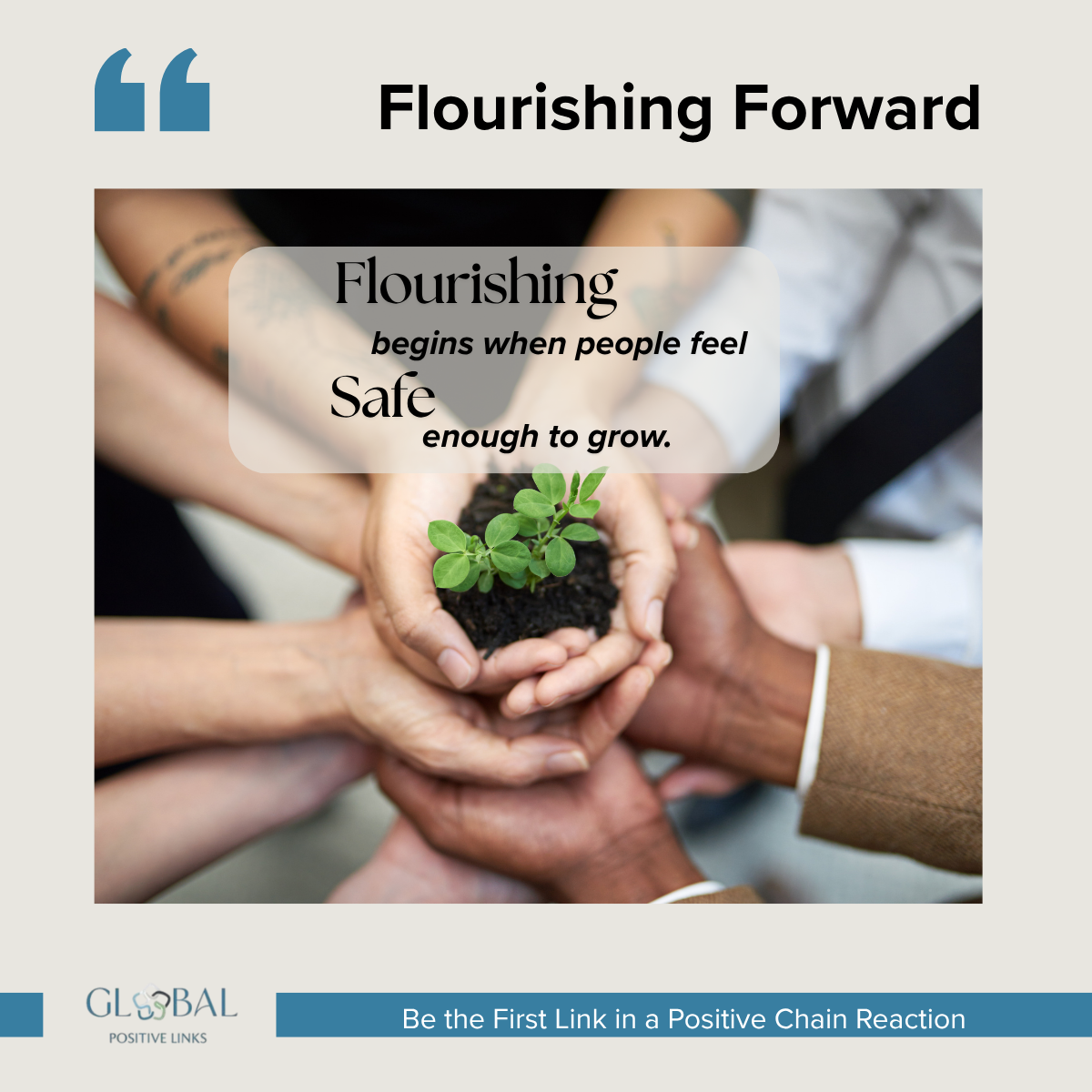
Curiosity creates possibility. Certainty keeps us where we are. Flourishing often begins with a question: What if? What if there is another way? What if I tried something different? Curiosity loosens our grip on what we think we know and opens us to what we haven’t yet discovered — about the world, about others, and about ourselves. We don’t flourish because we have all the answers; we flourish when we remain willing to learn, explore, and grow.
Reflection: What are you curious about in your life right now?
Sep 2
Positive Chain Reaction
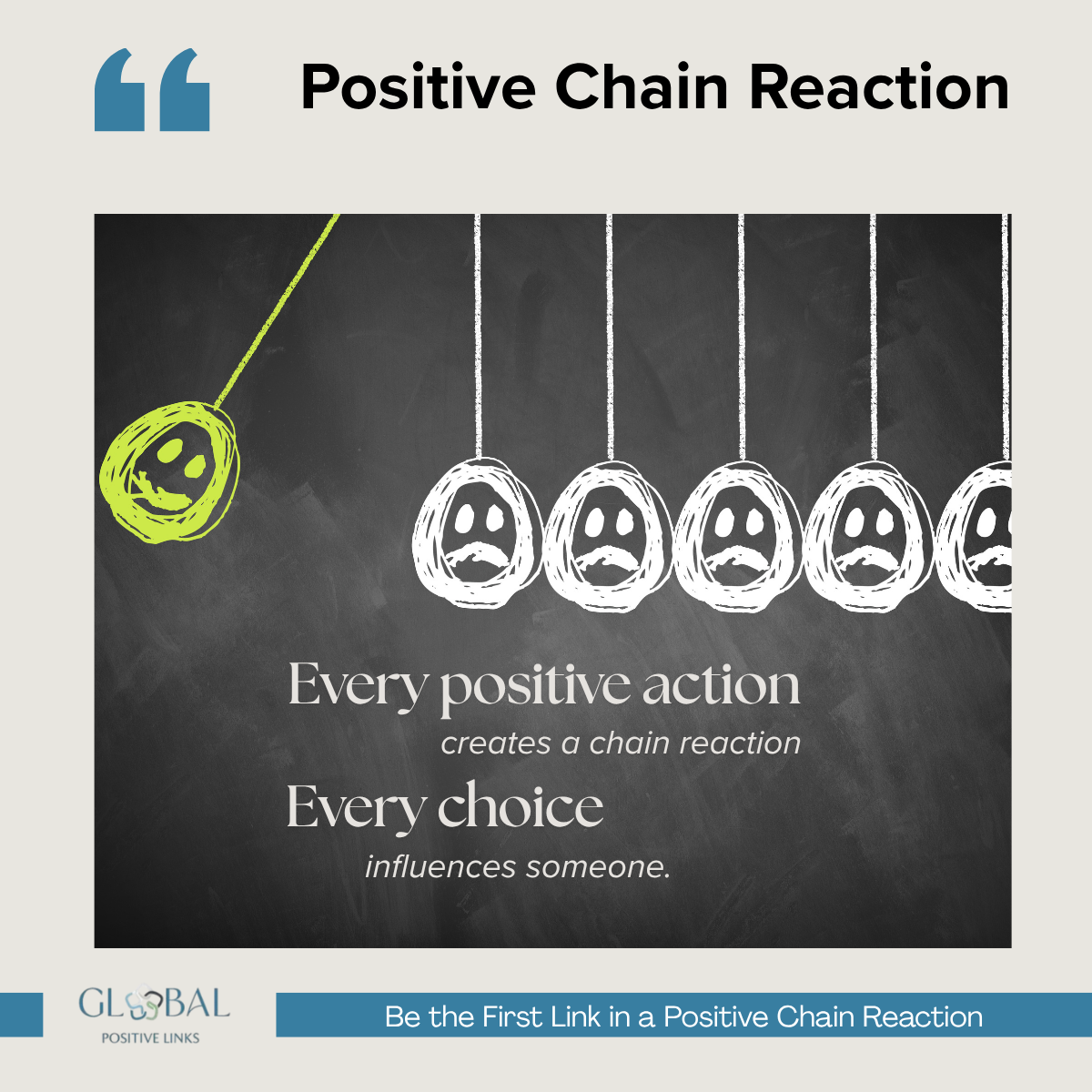
Every positive action starts a chain reaction. Leadership isn’t only found in titles — it’s found in everyday moments. A conversation that builds confidence, a question that invites a new perspective, a decision that puts people before process. One act of trust encourages another. One meaningful conversation inspires the next. One person who feels valued is more likely to help someone else feel valued. This is how positive change grows — one link at a time.
Reflection: What positive chain reaction could begin with you today?
Sep 9
Leadership Link
Sep 16
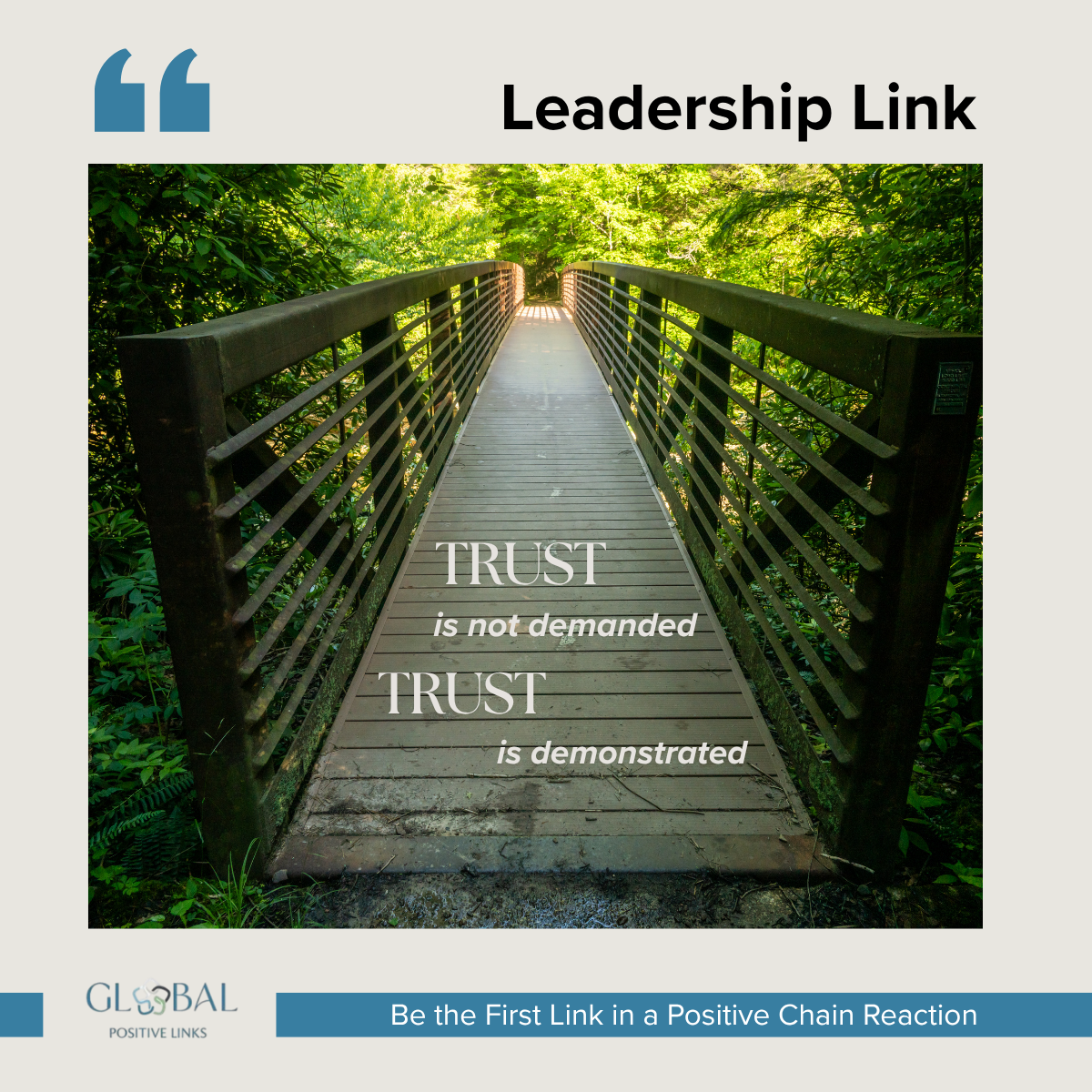
Trust isn’t demanded. It’s demonstrated. People rarely trust a title — they trust consistency. Trust is built not through one big moment, but through hundreds of small ones: every promise kept, every difficult conversation handled with respect, every action that matches our values. It’s less about what we say, and more about what people experience.
Reflection: What small action could strengthen trust this week?
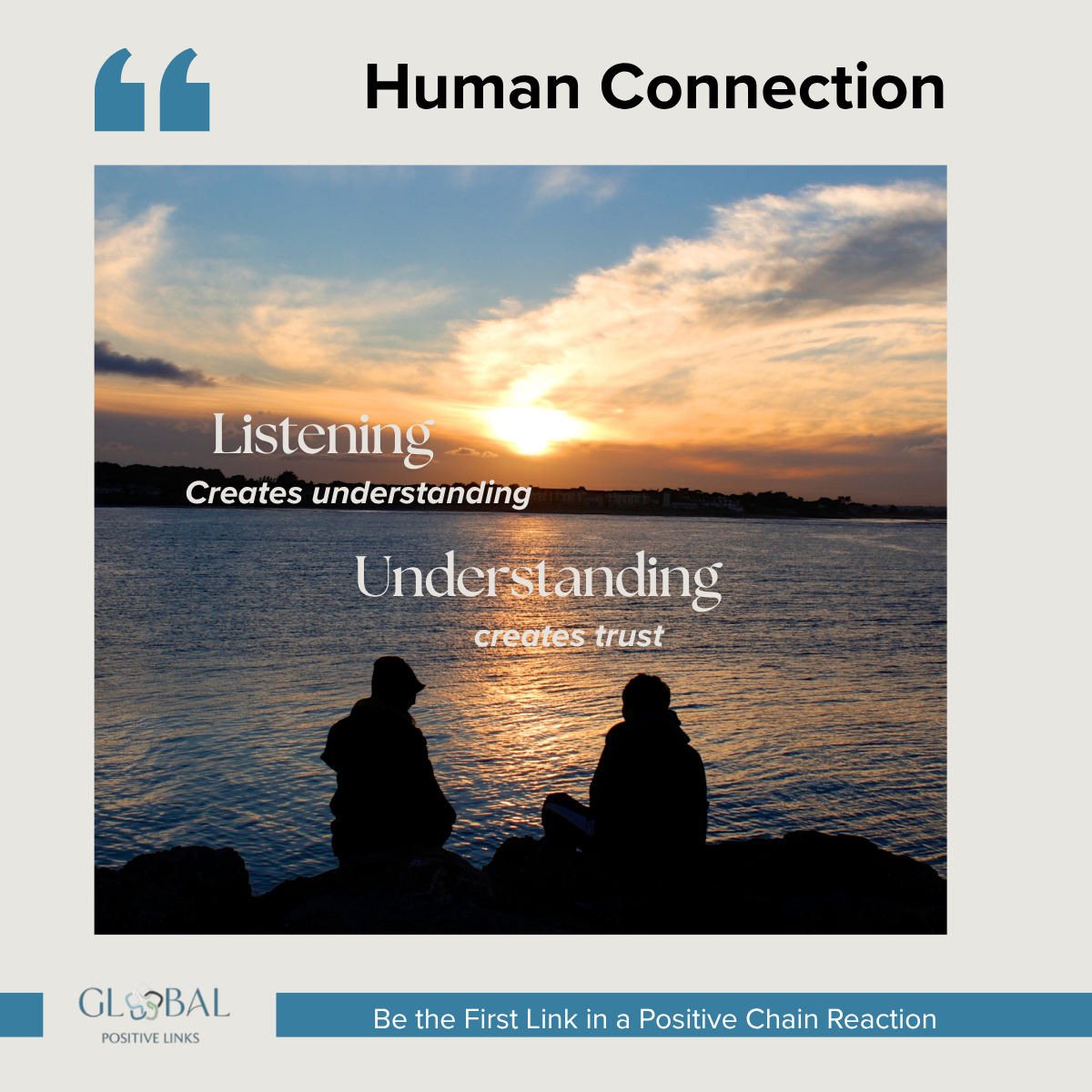
Listening creates understanding. Understanding strengthens trust. Most people don’t need us to have all the answers — they need to know they’ve been heard. Listening is more than waiting for our turn to speak; it’s choosing curiosity over assumption, presence over distraction, and understanding over judgment. When people feel heard, trust grows, and trust creates the confidence for honest conversations.
Reflection: Who could benefit from being truly heard this week?
Sep 23
Human Connection
Sep 30
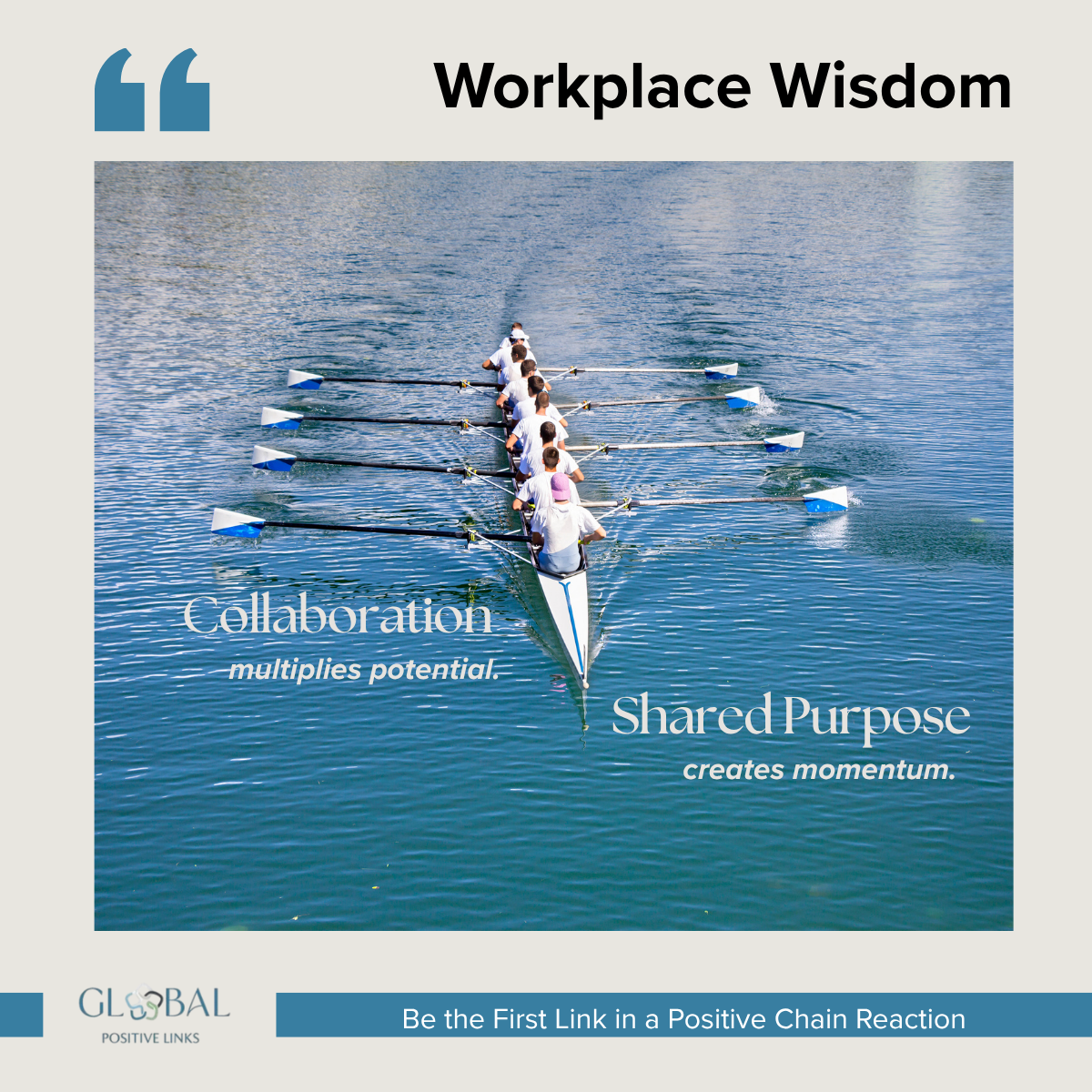
Collaboration multiplies potential. Shared purpose creates momentum. No one sees the whole picture alone. The strongest teams aren’t made up of people who think the same way — they’re built on trust that allows people to think differently. Collaboration isn’t about agreeing on everything; it’s about moving toward something meaningful together. Shared purpose turns individual strengths into collective impact.
Reflection: How could greater collaboration strengthen your team this week?
Workplace Wisdom
Behind The Scenes

A Reflection:
Are you busy living your life, or busy living the one society demands?
Courage in a Busy World
by Bronwyn Buchanan, Leadership and Values Coach, Facilitator
We often celebrate visible acts of leadership — the speeches, the strategies, the decisions made in boardrooms. Yet the real test of courage often happens behind the scenes. It’s in the quiet moments when we choose to live aligned with our purpose rather than society’s demands.
The world is busy, and it will only get busier. If we don’t know our purpose, our boundaries, and our values, we risk being swept into a cycle of busyness that was never truly asked of us. The question is not “Are you busy?” but “Are you busy living your life, or busy living the life others expect?”
True courage is not about noise or visibility. It’s about owning your choices when uncertainty tempts you to wait for permission. It’s about stepping into the life you feel called to, even when the path is unconventional. I know this personally — leaving my corporate role was not easy, but it was necessary. It was an act of courage to trust that my calling mattered more than the comfort of certainty.
That calling now takes shape in the programs and workshops I design — spaces where leaders, educators, and teams can explore courage, curiosity, and connection. These aren’t abstract concepts; they are lived practices. Through experiential learning, I help people move from waiting for permission to owning their choices, from being busy to living purposefully.
Artificial Intelligence adds another layer to this conversation. Many hesitate, waiting for others to define how AI should be used, fearing disruption. But courage in this space means experimenting, learning, and expanding ourselves rather than competing against the tools. It means asking: How can AI help me live the life I should, rather than the one society prescribes?
Community Moment…
We would love to interview you?
We’re opening this space to share moments from our wider Global Positive Links community, the small shifts, insights, or experiences that are helping you lead with presence, courage, and authenticity in your own environments.
We will begin featuring these soon. If you have a moment you’d like to share, we would love to hear from you, you can reach us at: connect@globalpositivelinks.com or through the contact form on our website.
From time to time, we’ll offer a complimentary 30‑minute session to a community member whose shared moment helps deepen our collective learning.
An Invitation to Connect
Global Positive Links offers complimentary introductory webinars for teams and groups who want to experience our approach first‑hand. You bring the context, the topic, challenge, or question that matters most to your people, and we weave it into the month’s theme to create a meaningful, relevant session.
We deliver virtual sessions worldwide. In‑person experiences are currently available in the UK, Canada, Singapore, Trinidad, and South Africa, and we’re happy to explore additional locations where needed.
Please Register Your Interest here

Closing Note
Thank you for being part of this growing community of leaders who are choosing presence, courage, and quiet transformation in their everyday environments. Each month, we’re reminded that leadership is not a performance, it’s a practice. A series of small, grounded choices that shape how we show up for ourselves and one another.
As you move through the weeks ahead, may you find moments of clarity, steadiness, and alignment, and may those moments ripple gently into the spaces you lead.
We look forward to continuing this journey with you.
The Global Positive Links Team